
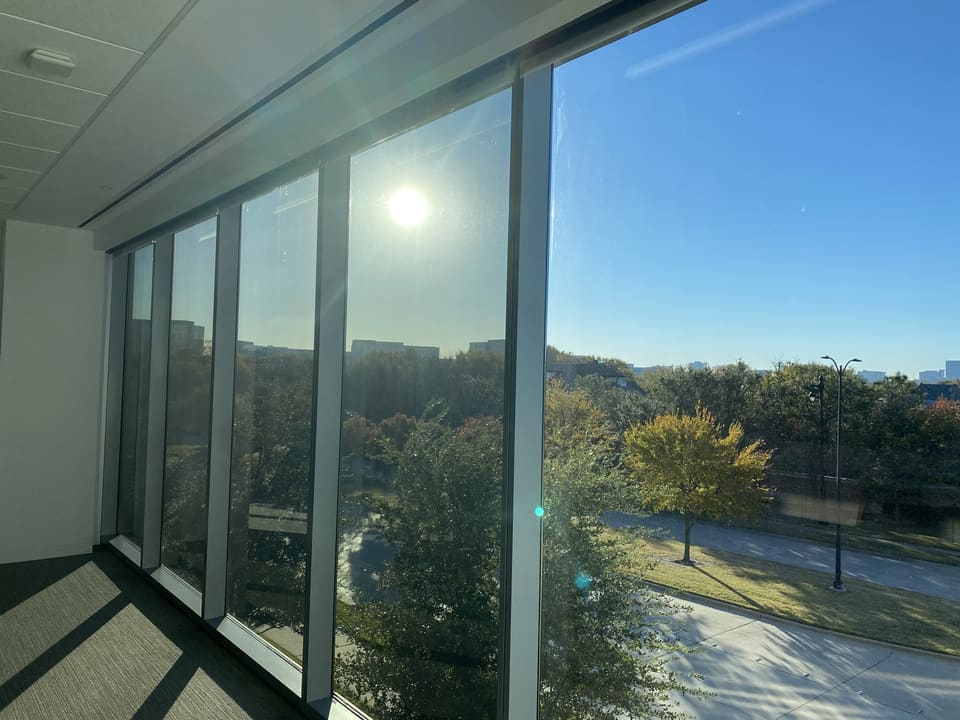
Solar control window film · heat, glare & UV
Keep the light. Lose the heat.
Solar control window film is a thin, optically engineered film bonded to existing glass that rejects solar heat, cuts glare and blocks 99% or more of UV — without replacing a single window. Epic installs the 3M sun-control line nationwide, from virtually clear Prestige and Ceramic to reflective Affinity and Silver, exterior-applied films for glass that cannot be filmed from inside, and All Season Low-E for buildings that are hot in July and cold in January. Every recommendation starts with your elevations, not a price list.
- Eight 3M sun-control families
- Chosen by elevation, not by catalog
- Facility Energy Analysis before you buy
- Certified in-house crews
Which elevation is the problem?
West glass and south glass rarely want the same film. Start with what the building is doing to the people inside it; the family that answers it is on the card.
Hot perimeter offices, high cooling load
Up to 97% of infrared heat and up to 79% of total solar energy rejected before it reaches the room. Fewer hot-and-cold calls, less thermostat fighting, lower peak load.
Glare on screens and whiteboards
Cuts glare up to 83–90% while keeping the view — and, with Night Vision, without turning the glass into a mirror after dark.
Fading floors, furnishings and inventory
Blocks 99%+ of UV, the largest single cause of fading, with no change to the look of the glass. Recommended by the Skin Cancer Foundation.
The glass must stay invisible
Non-metallic, virtually clear films: no mirror, no color shift, no interference with Wi-Fi, cellular or building systems. The film architects specify.
Dual-pane, tinted, laminated or unreachable glass
Exterior-applied films put the performance on the outside surface, where interior film is not the right call for the glass or the access.
Single-pane glass that is cold in winter
Low-emissivity film rejects summer heat and reflects room heat back inside in heating months — the year-round option for older glass.
A uniform facade on a budget
Dual-reflective neutral films give the street one even grey plane and the tenants a softer interior; silver gives the most heat rejection per dollar.
Every Epic Certified Installation Specialist is an Epic employee, trained and certified in-house — sun-control film is never subcontracted. The badge on the shirt is the same one on the van and on this page. How Epic trains and certifies →
Every 3M shade on real glass. Inside and from the street.
Non-metallic, multi-layer optical film: rejects up to 97% of infrared heat with low reflectivity and no signal interference. Five shades.
Drag the handle on the photo to compare.

Rendering is computed from the film’s published optical values applied only to the glass in each photo (clear-glass baseline: 88% VLT, 8% exterior reflectance). This is a simulation; actual appearance varies with glass type, sun angle and shade — we put real samples on your real glass before you decide.
What 3M sun-control film does to a building’s glass.
Based on 3M published product data for the shade and glass noted on each spec card. Building results vary by exposure, glass type and HVAC. Ask for a building-specific estimate.
Epic spec card: 3M Prestige Series
97% IR rejection, non-metallic, virtually clear.
Section 08 87 13 — Solar Control Window Film
CSI three-part guide specification, Epic as basis of design.
Eight 3M families. One is right for each elevation.
Clear to reflective, interior to exterior, summer-only to all-season. Every family has its own page with the 3M figures by shade, the glass it is approved for, and an Epic spec card you can download. All of it is cut in Epic Precision and installed by Epic’s own certified teams.
3M Prestige
The clear film architects specify when glass must stay invisible.
Specs & spec card →Expertise. Precision. Innovation. Credibility.
Expertise
Inventor-led · 100% in-house certified crewsPrecision
Epic Precision cutting · the Epic MethodInnovation
Patent-pending method · proprietary softwareCredibility
3M Dealer of the Year, years running · references on fileWho shows up when you call Epic.
The crews, the shop, the method and the buildings — the whole company in thirty seconds, before you read a word about film.
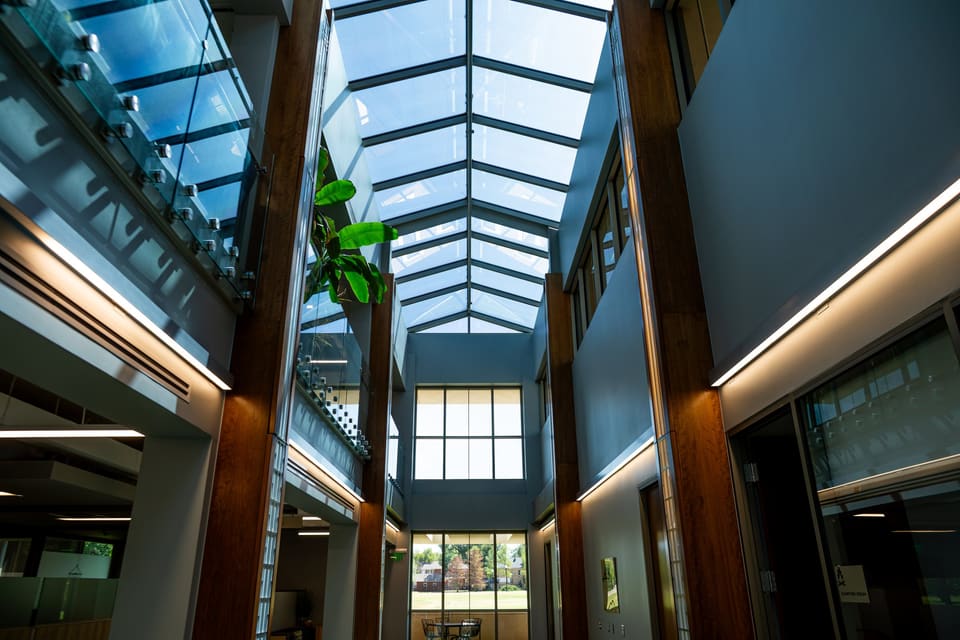
Offices and a state agency headquarters.
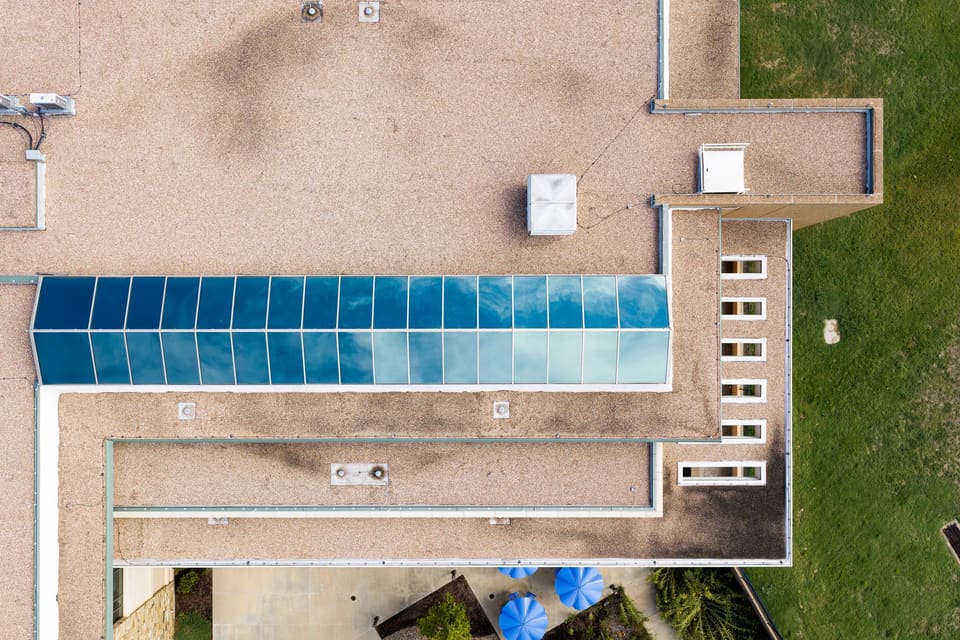
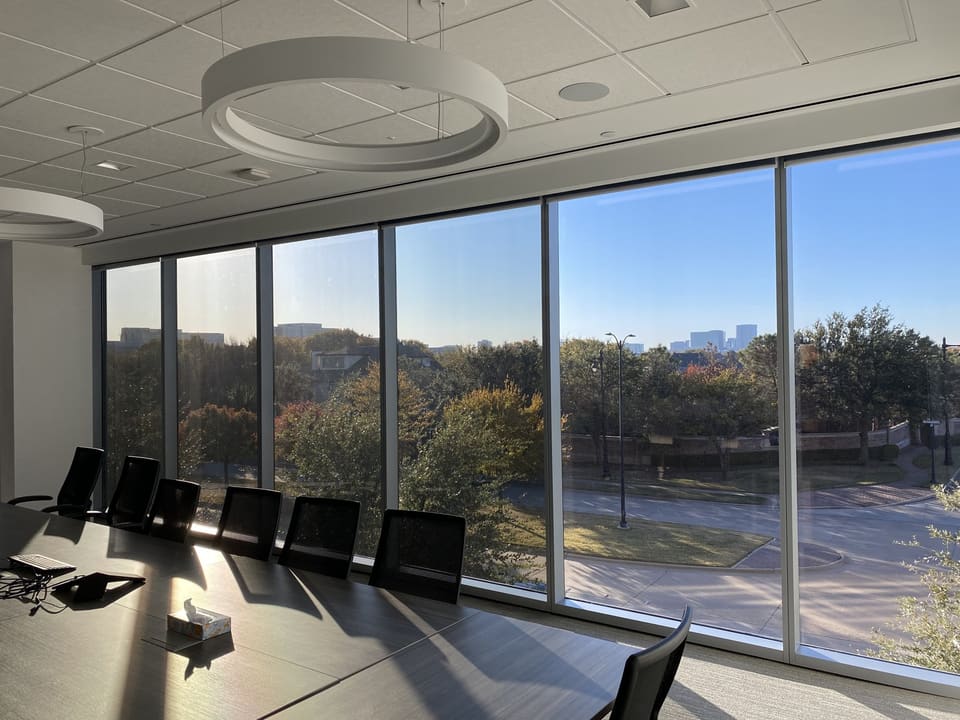
Pick the film by the number, not the name.
Epic’s Facility Energy Analysis runs every 3M sun-control film against your building’s glass, HVAC and utility rate, by elevation, and ranks them by annual savings and payback — before anyone quotes a square foot.
Solar control window film questions
What is solar control window film?
How much heat does window film actually block?
What is the payback on solar control film?
Will the building look mirrored or dark?
Is window film safe on dual-pane or tinted glass?
Does window film interfere with Wi-Fi or cell signal?
Can film be installed while the building is occupied?
Request a free glass assessment
Address, building type and which elevations are the problem. A Solutions Advisor surveys the glass, recommends by elevation and sends a written estimate — with an energy payback when it applies.
Four ways in. Pick the one that fits today.
Request a free assessment
On-site survey, film recommendation, written estimate. No obligation.
Request a free energy audit
Every 3M film ranked on your building’s glass, rate and climate — then verified with data loggers.
Download a spec card or guide
Fifteen Epic spec cards, the Epic Method sheet, and the buyer’s guide — free.
Talk to a Solutions Advisor
866.EPIC.117 · Monday–Friday 8–5 Central. A person, not a phone tree.
 Cookies on epiccos.com
Follow the work
Real installs, real tests, real schools. Pick the feed you actually open — same crew, same standard everywhere.